
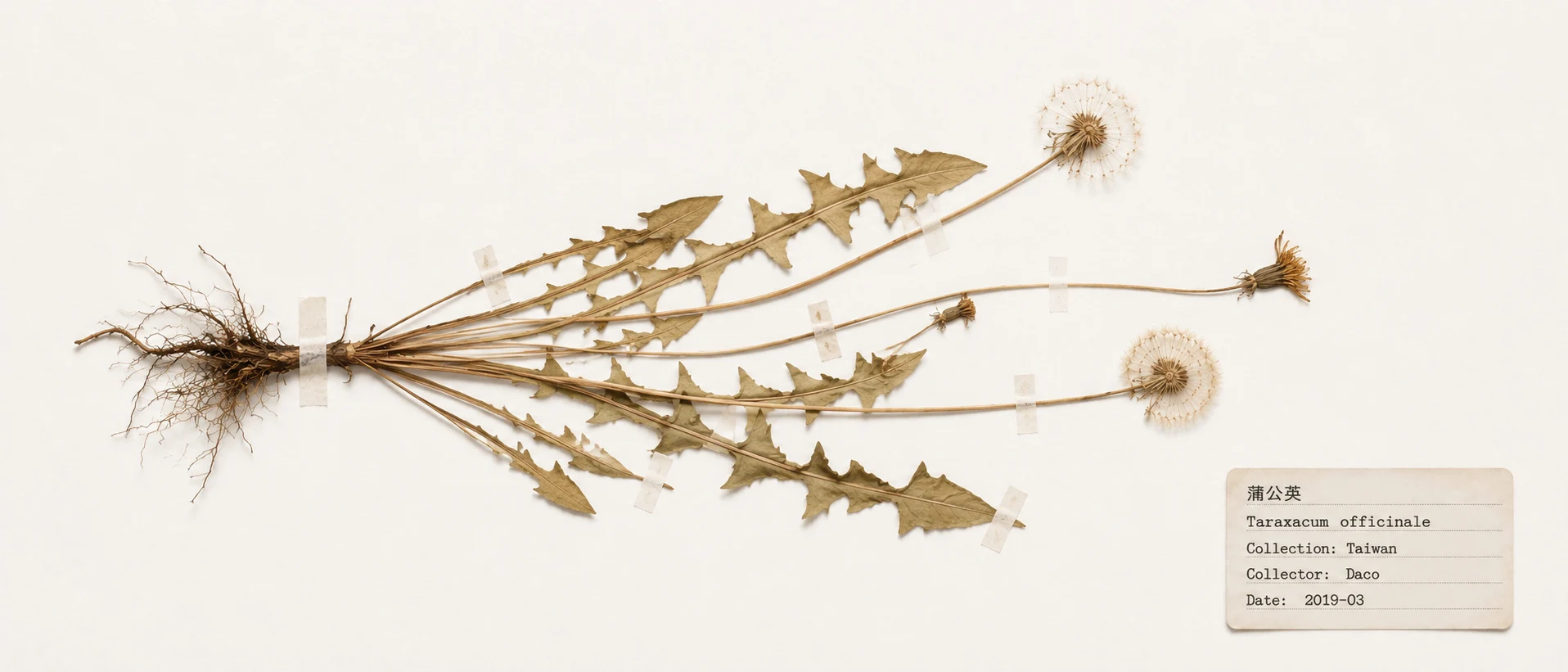
- Specimen
- DriftGo
- Category
- Product Design / Independent Development / AR Social App
- Location
- Taiwan, then intended to drift worldwide
- Collection Date
- 2026
- Collector
- Daco
- Role
- Solo Product Creator / UX / UI / Frontend / Backend / Launch
Project at a glance
These independent product experiments begin with everyday situations. I define needs that emerge while people move, explore, and record, then shape ideas into product flows, map interfaces, and interactive prototypes. They show how I develop an ambiguous starting point into feature logic, interaction patterns, and a complete product experience.
How I turn ideas into products
“The message you'll never send. Send it anywhere.”
DriftGo was one of my most complete experiments in turning a strange, poetic, hard-to-execute idea into a real product. I was not trying to build another social app. I was trying to invent a new way for people to encounter each other.
On the surface, it is a paper-airplane app. In practice, it works more like a mobile community. Users write a captain’s log, launch a paper plane through an AR interface, and let it land somewhere on the map. Other players have to physically get near that location before they can board, comment, and join the discussion thread attached to that plane. If the captain decides to relaunch it, the whole group moves with it.
What mattered to me was that it should not feel like a forum pinned onto a map. It had to feel like a message, a place, and a movement system becoming one social object. Each plane is a small community in motion.
The earliest design question was not how many features to add, but whether the concept itself could hold together. Many people would instinctively ask why players cannot simply tap a destination on the map. I deliberately avoided that, because unexpected drift is part of the fun. If you meant to send something to New York but it ends up somewhere else, the mismatch creates a better story than pure accuracy.
That meant my real work was translating the concept into playable rules: writing the captain’s log, launching in AR, creating a landing point on the map, requiring proximity for first boarding, allowing remote participation after boarding, letting the captain resume the flight, and keeping the whole discussion moving with the plane.
One of the most important product decisions was making the virtual and physical worlds genuinely intersect. Seeing a plane on the screen is not enough. Players must come within 30 meters to board it for the first time. Only then can they join the discussion tied to that plane.
That threshold matters because it defines how DriftGo differs from a normal social app. It does not connect people through interest alone. It also turns the willingness to physically go there into part of participation.
I also built a lightweight AR mode for locating nearby planes in space. That was not about visual spectacle. It was about making the feeling of approaching a virtual community more tangible, without overloading the app with a heavy AR stack.
Beyond the core loop, I spent a lot of effort structuring the product so it could keep growing: captain / crew / passenger roles, flight count rules, fuel economy, reward mechanics, broadcasts, badges, translation, deep-link sharing, notifications, moderation, inactivity cleanup, and a Discord-based support layer.
Many of the most important decisions were subtle but deeply product-driven. Launch points are slightly offset by default, because privacy cannot be an afterthought in a location-based social product. Planes that stay idle too long get removed, because a world without motion quickly becomes dead. Free and Pro are not just feature locks. They redefine how far and how deeply a player can participate.
If I had to condense DriftGo into one line, it would be this: I took a concept that could have stayed poetic and turned it into rules, interfaces, data structures, business logic, community mechanics, and real-world constraints until it became a product people could actually download and use.
I also built the entire project on my own. I handled the concept, product rules, information architecture, UI/UX, front-end implementation, backend data structure, subscriptions, push, privacy, moderation, testing, and launch. DriftGo turns a new world into a functioning product.
I do not start product design by asking how many features I can add.
I start by asking what rules would make this world feel real.
Once the concept holds together, interface, business model, technology, and operations can all grow in the same direction.